Short answer: Use AI as a research assistant, not a decision-maker. Ask it to gather what real owners say across Reddit, forums, and review sites. Ask it to flag sponsored or suspicious content, then build a side-by-side comparison. You still verify the key claims and make the final call. Done this way, a weekend of tab-hopping can shrink to about an hour.
Why this comes up
Search results for “best laptop” or “best mattress” are packed with “top 10” lists. Many exist mainly to earn affiliate commissions. You probably suspect that already, but sorting it out is exhausting.
When a purchase costs hundreds or thousands, you want the honest consensus without 40 open tabs.
The honest answer
AI is good at the slow parts of research. It is weaker at deciding what’s true on its own.
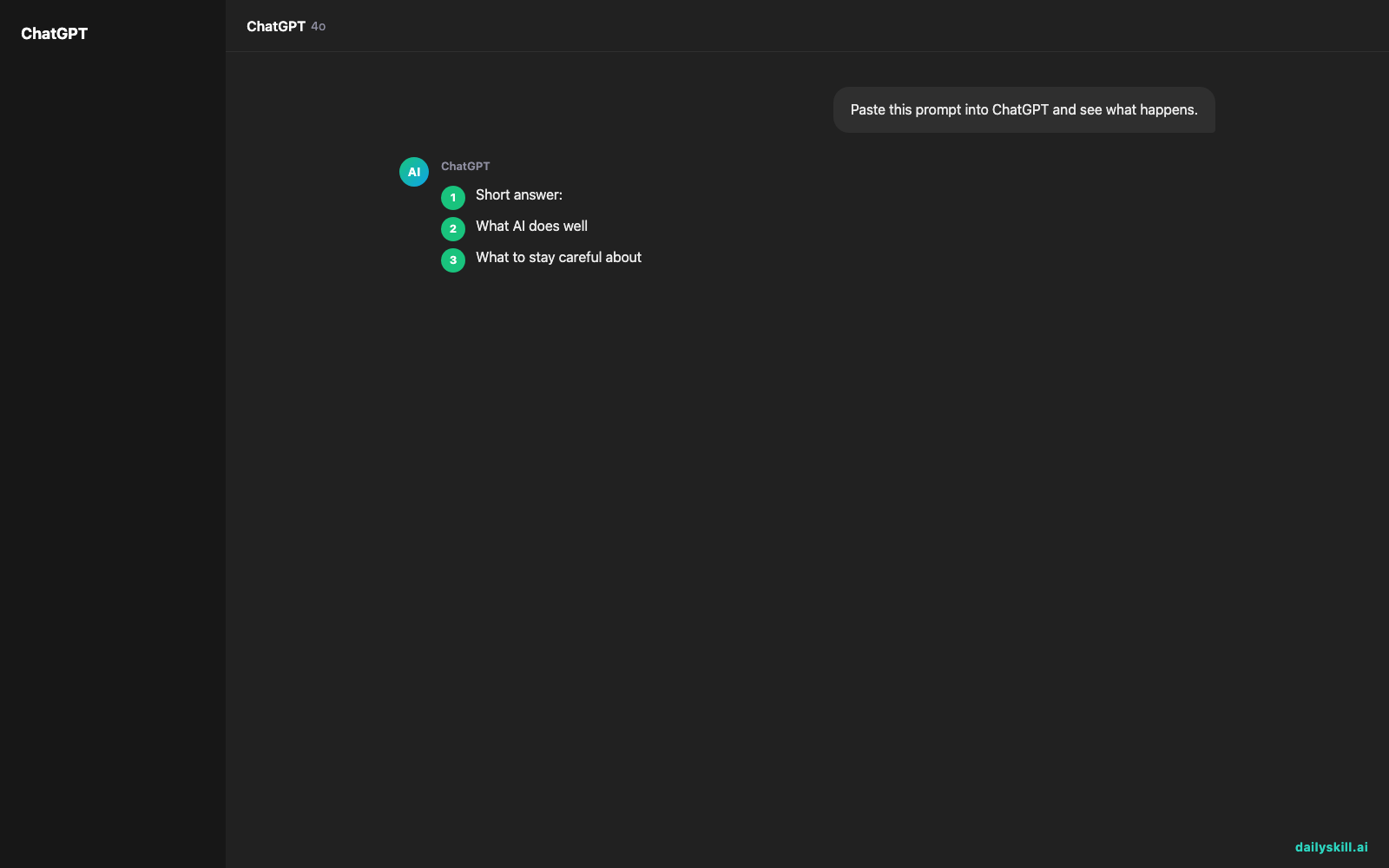
What AI does well
– Reads long review threads and pulls out repeated themes.
– Separates “common complaints” from “one angry person.”
– Builds a comparison table from messy sources.
– Turns your vague needs into a clear list of questions.
What to stay careful about
– AI can misstate a spec or price. Verify your deal-breakers on the maker’s own page.
– It can only summarize what it finds. If the sources are thin or biased, the summary will be too.
– Fake reviews can fool people and tools alike. AI can help you spot patterns, but it isn’t a lie detector.
What’s overblown: the idea that AI is “just guessing” or can’t be useful for shopping. Used with sources and a quick double-check, it saves real time.
Treat AI’s summary as a well-organized first draft of your research, not the final answer.
A simple 5-step workflow
1. Define what matters to you. Tell the AI your budget, how you’ll use the product, and your deal-breakers. Here’s a starting prompt:
“I’m considering a [product type], budget up to [amount]. I use it for [use]. My deal-breakers are [list]. Ask me any questions you need, then suggest 3-5 candidates.”
2. Summarize real owner experience. Ask the AI to look through owner discussions and summarize them. Most major assistants can now search the web. If yours can’t, paste in threads or review text yourself. Try this:
“Look at Reddit threads, enthusiast forums, and owner reviews for [product]. Summarize what long-term owners agree on, what they disagree on, and the most common problems after 6-12 months. Quote or link your sources.”
Asking for sources matters. It lets you click through and confirm.
3. Filter out the fluff. Ask it to separate independent opinions from promotional content:
“Which of these sources look like affiliate-driven or sponsored lists? Which look like independent testing or genuine owner experience? Explain how you decided.”
4. Check for fake reviews. Paste in a batch of reviews and ask for warning signs.[^1]
“Do any of these reviews look suspicious? Look for repetitive wording, vague praise with no details, bursts of similar reviews, or reviews that never mention real use.”
Treat the result as a hint, not proof. Real reviews can be vague, and fake ones can be detailed.
5. Build the comparison. Ask for a table:
“Make a table comparing these options on price, key specs I care about, top praised features, top complaints, warranty, and return policy. Mark anything you’re unsure about.”
That last line pushes the AI to admit gaps instead of smoothing them over. It’s what makes the comparison trustworthy enough to use.
What to do
Do:
– Tell the AI your real needs and budget first.
– Ask for sources, and open at least two or three of them.
– Look for complaints that repeat across different places.
– Check price, specs, and warranty on the seller’s or maker’s page.
– Ask “what are the downsides?” as often as “what’s good?”
– Read the return policy before you buy.
Don’t:
– Don’t treat one AI answer as final. Ask it to argue against its own top pick.
– Don’t dismiss a complaint just because it’s rare. Check whether it hits your deal-breaker.
– Don’t skip confirming the exact model. Products change often, and older reviews may cover a different version.
– Don’t paste in personal or payment information.
FAQ
Can AI tell me which product is “best”?
Not in general. It can tell you which one best fits the needs you give it. The more specific you are, the more useful the answer.
Is AI itself free of sponsorship bias?
Not automatically. It draws on the same web, which is full of affiliate content. That’s why you ask it to flag promotional sources and show its evidence.
How do I know a summary didn’t miss something?
Ask: “What’s the strongest argument against buying this?” Then skim two or three source threads yourself. If the story matches, you can trust the summary more.
Bottom line
AI won’t make the decision for you, but it can leave you far better informed in far less time. Use it to gather, filter, and compare, then verify the details that matter.
What’s your best AI shopping trick, or your best fake-review catch? Share it in the comments. Other readers will thank you.
Tomorrow: Can AI help you learn a language through real-time voice chat? We’ll look at what works, what doesn’t, and how to practice.
[^1]: Only paste reviews you’re free to share, and leave out any personal details.
You might also like:
- Pantry Meal Plan with AI: 3 Meals From 7 Items in 1 Minute
- Replit Agent: Build a Working App From a Plain-English Idea
Master Everyday AI in 1 Minute a Day
Get our free 2026 Double-Blind AI Benchmark Scorecard & 20 Ready-to-Use Prompts, plus one honest, 60-second AI skill in your inbox every morning. Zero hype, plain English, cancel anytime.